The Remarkable Biology of Lizard Skin: A Masterclass in Adaptation
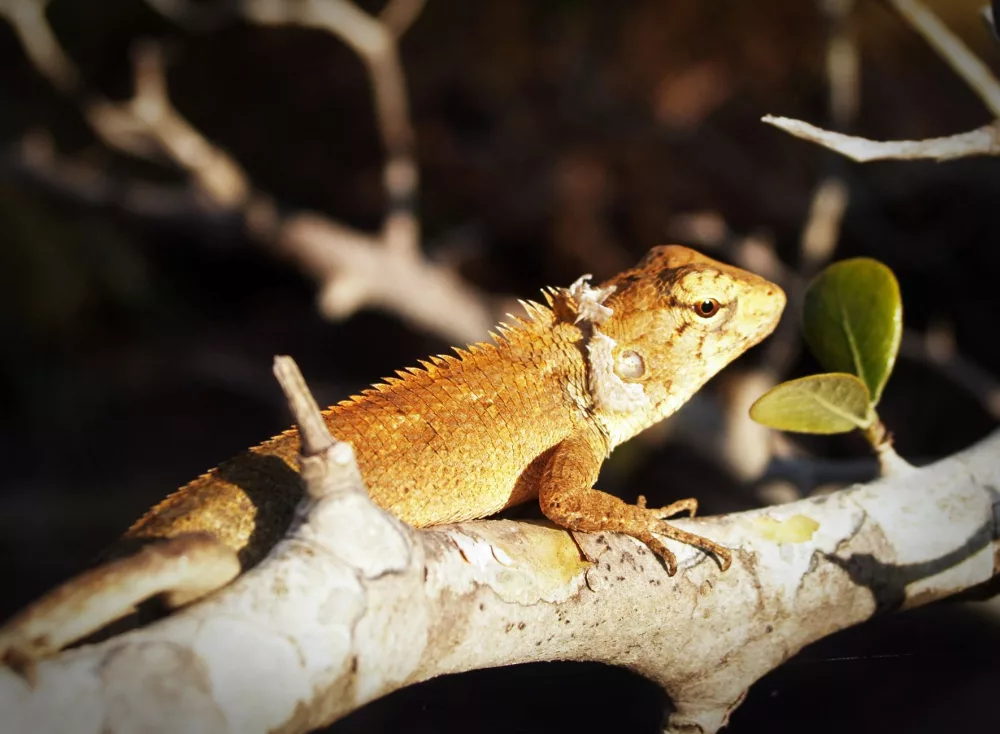
When I think about lizards, one of the first things that comes to mind is their incredible skin. It's not just a covering; it's a living, breathing marvel of engineering, perfectly adapted to their diverse environments. Honestly, every time I learn more about it, I'm just floored by its complexity and functionality. We're talking about a skin that can be armor, a camouflage expert, a water collector, and even a communication tool. It's truly fascinating, isn't it?
The Fundamental Structure: More Than Meets the Eye
So, what exactly makes lizard skin so special? Well, at its core, it's built like ours, with an outer epidermis and an inner dermis. But that's where many similarities end. The epidermis, the outermost layer, is where all the magic happens in terms of protection and environmental interaction. It's primarily made of keratin, the same tough protein found in our fingernails and hair. This keratinization gives lizard skin its characteristic scaly, sometimes rough, texture.
Beneath the epidermis, we've got the dermis. This layer is packed with connective tissues, blood vessels, nerves, and those amazing pigment cells we'll talk about shortly. It's essentially the support system, ensuring the epidermis gets everything it needs to function properly. Without a healthy dermis, the epidermis couldn't do its job, simple as that.
Scales: The Lizard's Natural Armor and More
Let's really dive into the scales, because they're the superstars here. Unlike fish scales, which grow individually and overlap like roof tiles, lizard scales are actually folds of the epidermis. They're formed by differential keratinization, meaning some parts of the skin harden more than others. This creates a continuous, flexible surface rather than discrete, detached units. It's a clever design that provides protection without sacrificing mobility. Think about it: a lizard needs to be agile to hunt or escape predators.
Scales come in an astonishing variety of shapes and sizes. We've got:
- Granular Scales: These are tiny, bead-like scales, often found on geckos or certain skinks, giving them a soft, velvety appearance.
- Smooth Scales: Flat and overlapping, like those you'd see on many skinks. They reduce friction, helping the lizard glide through vegetation or sand.
- Keeled Scales: These have a central ridge, making them rough to the touch. They're common in species like anoles or iguanas and can help with grip or deter predators.
- Spiny Scales: Extreme forms of keeled scales, like those on horned lizards, offering formidable protection against potential threats.
The primary function of these scales, besides defense, is to prevent water loss. Lizards often live in arid or semi-arid environments, so retaining moisture is literally a matter of survival. The tough, scaly exterior acts as an impermeable barrier, which is super important when you can't just pop over to a water cooler.
The Grand Shed: Ecdysis
Now, because lizard skin is so tough and protective, it doesn't grow indefinitely like ours. Instead, they have to shed it periodically, a process called ecdysis. I find this whole process fascinating because it's so vital for their health and growth. When a lizard grows, its skin doesn't stretch; it gets too tight. So, they shed the old, outer layer to make way for a new, larger one underneath. It's a bit like us outgrowing our clothes, but on a biological level.
Unlike snakes, which often shed their skin in one continuous piece, many lizards shed in patches. You might find bits and pieces of shed skin in their enclosure. Before shedding, the lizard's skin might look dull or milky as a new layer forms underneath. It's a vulnerable time for them, so they often hide away until the process is complete. It's truly a renewal process, allowing them to repair any damage and remove parasites.
A Canvas of Color: Pigmentation and Communication
Oh, the colors! This is where lizard skin really gets spectacular. Their vibrant hues aren't just for show; they serve multiple crucial purposes, including camouflage, thermoregulation, and social signaling. All this magic happens thanks to specialized pigment cells called chromatophores, located in the dermis. There are a few main types:
- Melanophores: These contain melanin, which produces black or brown pigments. They can expand or contract, making the skin darker or lighter, which is crucial for absorbing or reflecting heat.
- Xanthophores and Erythrophores: These produce yellow and red pigments, respectively. You see these often in brightly colored species.
- Iridophores: These don't contain pigment. Instead, they have reflective crystalline platelets that scatter light, creating iridescent blues, greens, and whites. This is how chameleons can shift their greens and blues so dramatically!
The interplay between these cells allows lizards to achieve an incredible range of colors and patterns. Think about a chameleon changing color to blend into its surroundings or a male anole flashing a bright dewlap to attract a mate or warn off a rival. It's sophisticated communication, all through their skin!
Beyond the Basics: Specialized Adaptations
Lizard skin isn't just about scales and color; it's a toolkit for survival. There are some truly wild adaptations out there.
- Water Harvesting: Take the thorny devil (Moloch horridus) from Australia. Its skin is covered in intricate channels between its scales. When it stands in a puddle or against a damp surface, capillary action draws water along these channels directly to its mouth. I mean, how clever is that? It's like having a built-in drinking straw all over your body!
- Adhesion: Geckos, oh my goodness, geckos! Their toes have lamellae, which are folds of skin covered in millions of microscopic hair-like structures called setae. These setae branch into even smaller spatulae. The van der Waals forces between these spatulae and the surface are so strong that geckos can literally walk upside down on glass. It's not glue; it's physics!
- Thermoregulation: We briefly touched on this with melanophores, but it's worth emphasizing. Many lizards can lighten or darken their skin to regulate their body temperature. Dark skin absorbs more sunlight (great for warming up in the morning), while lighter skin reflects it (ideal for staying cool during the midday heat).
- Defensive Structures: Beyond just spiny scales, some lizards have developed impressive dermal ossifications, which are bony plates embedded in the skin. These osteoderms act like internal armor, making them incredibly tough to bite through.
Honestly, the diversity in how lizard skin has evolved to meet specific environmental pressures is just mind-blowing. Each species has its own unique twist on this incredible biological canvas.
Final Thoughts on a Scaly Masterpiece
From the arid deserts to humid rainforests, lizard skin is a testament to the power of natural selection. It's a complex, multi-functional organ that protects, communicates, regulates, and adapts. When I look at a lizard now, I don't just see a reptile; I see an intricate biological system, and its skin is a huge part of that story. It's truly a marvel of natural design, isn't it? Just thinking about all its varied forms and functions makes me appreciate these creatures even more.
Editorial Team
Staff analyst and editor writing in-depth guides, reporting, and comprehensive coverage.