Navigating Your Next Move: An In-Depth Look at U-Haul Services
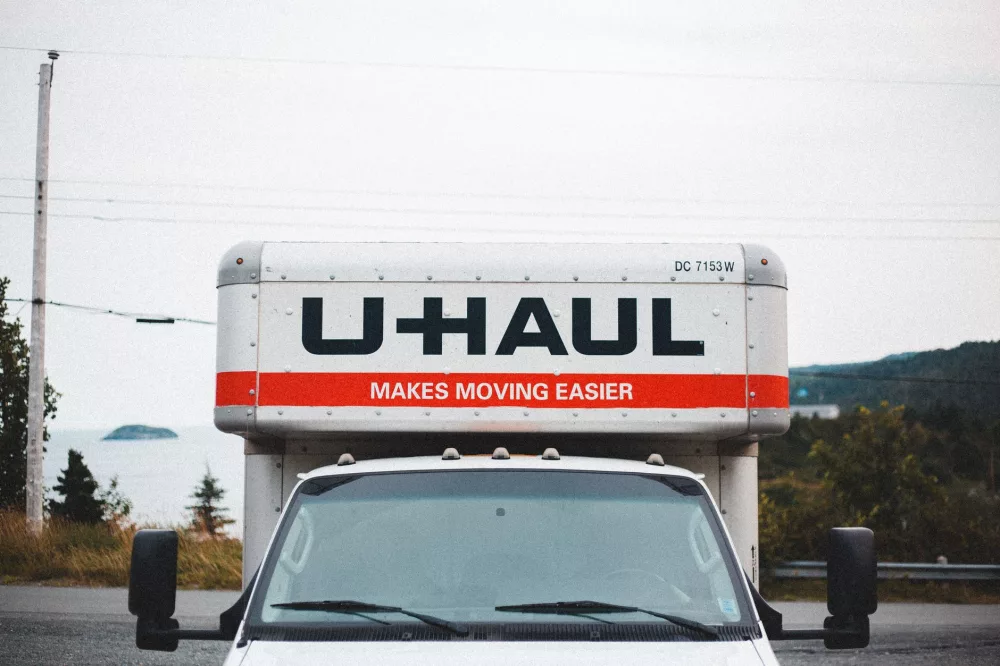
When you're faced with the daunting task of moving, whether it's across town or across the country, chances are one name immediately springs to mind: U-Haul. It’s a company that's become synonymous with do-it-yourself moving, practically a household name, and for good reason. For decades, they’ve been the go-to for millions of people looking for an affordable and flexible way to transport their belongings. But what exactly makes U-Haul such a pervasive force in the moving industry, and what should you really know before you sign on the dotted line?
The U-Haul Legacy: A Brief History
Let's rewind a bit to understand where U-Haul comes from. The company started way back in 1945, right after World War II, by L.S. "Sam" Shoen and his wife, Anna Mary Carty Shoen. They saw a real need for people to move their goods conveniently without shelling out a fortune for full-service movers. Their initial idea? Rent trailers one-way. This was revolutionary at the time, allowing folks to pick up a trailer in one city and drop it off in another. From those humble beginnings, often with just a few trailers available at gas stations, U-Haul grew into the behemoth it is today, boasting an impressive network of locations and a diverse fleet of vehicles and services.
What U-Haul Offers: More Than Just Trucks
While U-Haul trucks are probably what you picture first, their service catalog is surprisingly extensive. It's not just about getting a big orange box on wheels anymore. I've found that they really try to be a one-stop shop for everything moving-related.
- Truck Rentals: This is their bread and butter, obviously. You can get trucks in various sizes, from a small 10-foot truck perfect for a studio apartment to a massive 26-foot truck that can handle a large family home. They're designed to be relatively easy to drive, even for those of us not accustomed to handling such large vehicles.
- Trailer Rentals: Need to tow your car, or perhaps just move some extra stuff? U-Haul offers utility trailers, cargo trailers, and even car haulers. These are fantastic for specific needs, and I've seen them used for everything from hauling ATVs to moving classic cars.
- Storage Solutions: A huge part of moving is often needing a temporary or long-term place for your items. U-Haul has a massive network of self-storage facilities. They offer climate-controlled units, drive-up access, and various sizes, which is super convenient if you're in between homes or just decluttering.
- Moving Supplies: Think about it – what's a move without boxes? U-Haul has a comprehensive selection of moving boxes, packing tape, bubble wrap, furniture pads, and specialized kits for dishes or clothing. You can even buy bundles to save a little cash.
- Moving Labor: If you're like me and your back isn't what it used to be, or you just prefer to avoid the heavy lifting, U-Haul connects you with local moving helpers. You can hire them hourly to load, unload, or even pack your belongings. It's an excellent option for taking some of the physical strain out of the process.
- U-Box Containers: This is a really interesting service. U-Box containers are portable moving and storage units. They deliver a container to your home, you load it at your leisure, and then U-Haul picks it up and ships it to your new destination or stores it for you. It's a fantastic middle ground between DIY truck rental and full-service movers, especially for long-distance moves where you don't want to drive a big truck.
The U-Haul Experience: What to Expect
Booking a U-Haul is usually pretty straightforward. You can do it online, through their app, or by calling or visiting a location. I always recommend booking in advance, especially if you're moving during a peak season like summer or at the end of the month. You don't want to be scrambling for a truck when everyone else is, too.
Picking Up and Dropping Off
When you go to pick up your truck or trailer, be prepared with your driver's license and payment method. They’ll walk you through the rental agreement, insurance options (more on that in a second!), and a quick inspection of the vehicle. Take pictures of any existing damage before you leave, just to be safe. Dropping off is generally easy; you return the vehicle to the agreed-upon location, usually fill it up with gas to the starting level, and hand over the keys. Sometimes you can even do an after-hours drop-off, which is super convenient.
Understanding Insurance and Fuel
This is where things can get a little tricky, so pay attention. U-Haul offers several coverage options, like Safemove for trucks and Safetow for trailers. These can cover damage to the rental equipment, your belongings, and even medical payments. While your personal car insurance or credit card might offer some coverage, it's really important to check with them directly to understand what's covered when you're driving a commercial rental. Oftentimes, they won't cover a rental truck, so getting U-Haul's specific insurance might be a smart move for peace of mind. As for fuel, most rentals require you to return the truck with the same amount of fuel it had when you picked it up. Forgetting this can lead to some pretty hefty refueling charges from U-Haul.
Navigating Potential Challenges
While U-Haul offers incredible convenience, it's not without its quirks. One common point of discussion is pricing. The base rate you see online might not be the final price. Factors like mileage charges, insurance, fuel, and any additional equipment can quickly add up. Sometimes, the exact truck size or location you booked might not be available on moving day, requiring a slight adjustment to your plans. This doesn't happen often, but it's something to be aware of. Also, driving a large moving truck is a whole different beast compared to your personal car. You'll need to be mindful of its height, width, and turning radius, especially when navigating tight corners or parking lots.
Tips for a Seamless U-Haul Experience
If you're planning a U-Haul move, here are a few things I'd suggest to make it as smooth as possible:
- Book Early: Seriously, this can save you so much stress and potentially money.
- Get the Right Size: Overestimate slightly rather than underestimate. A little extra space is better than not enough.
- Consider Insurance: Read the fine print of your own policies and then decide if U-Haul's coverage is right for you.
- Pack Smartly: Use appropriately sized boxes, label everything, and distribute weight evenly in the truck.
- Drive Carefully: Take your time, leave extra space between vehicles, and be aware of your surroundings. Remember, these trucks handle differently.
- Fill the Tank: Before returning, fill the gas tank to the level it was when you picked it up to avoid extra fees.
- Clean It Out: Remove all your trash and sweep out the truck. A clean truck makes for a happy rental experience.
Ultimately, U-Haul stands as a powerful tool in the moving arsenal for countless individuals and families. Its widespread presence, diverse service offerings, and focus on the DIY mover make it an undeniable leader. By understanding its services, being prepared for the rental process, and knowing what to expect, you can leverage U-Haul to make your next move as efficient and stress-free as possible. It's a big undertaking, but with a bit of planning and the right resources, you'll be settled into your new place before you know it.
Editorial Team
Staff analyst and editor writing in-depth guides, reporting, and comprehensive coverage.