The Nissan Xterra: A Deep Dive into a Rugged Off-Road Icon
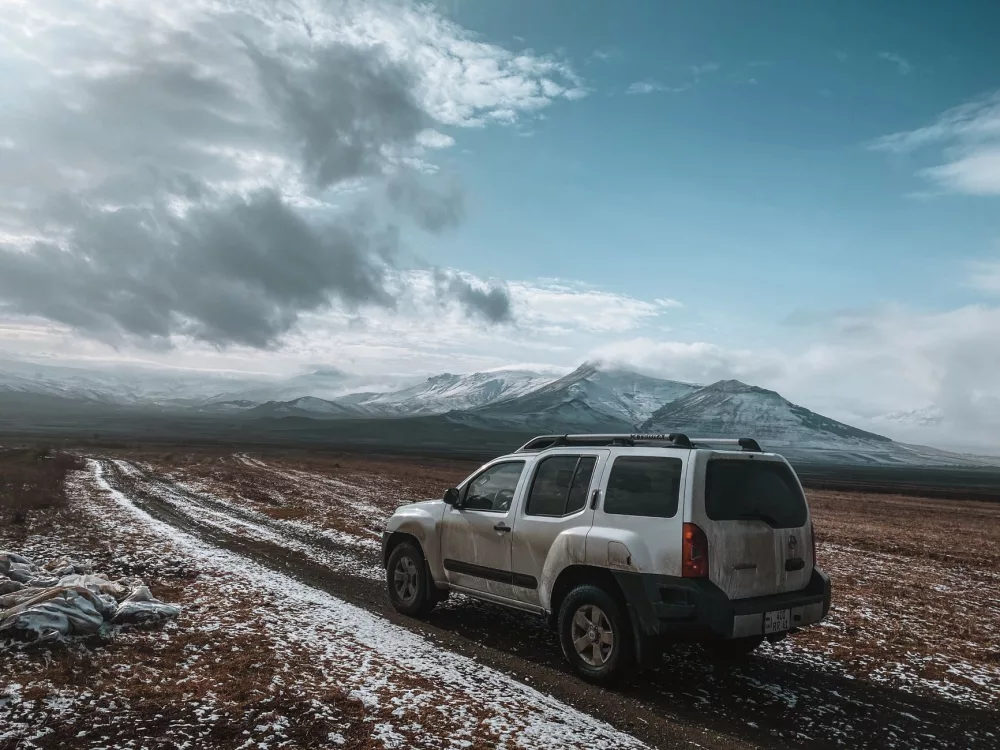
When we talk about true, unpretentious off-roaders, a few names always pop up. But for me, the Nissan Xterra carved out its own unique niche. It wasn't trying to be fancy or luxurious; it was a pure, no-nonsense utility vehicle built for adventure. I remember seeing these things everywhere when they first came out, looking like they'd just rolled off a dirt trail, and honestly, they probably had. Let's really dig into what made the Xterra such a beloved, and frankly, iconic, SUV.
The First Generation: The Original Adventure Machine (1999-2004)
Nissan launched the Xterra in 1999, positioning it as a direct competitor to vehicles like the Toyota 4Runner. It was based on the Nissan Frontier pickup truck platform, which immediately told you a lot about its intentions. This wasn't some soft-roader; this was a body-on-frame beast designed to tackle rough terrain.
My first impression of the Xterra back then was how purposefully rugged it looked. It had this distinctive, boxy design, with that prominent, integrated roof rack and the raised rear roofline that gave it a unique silhouette. That external first-aid kit bump on the tailgate? Genius marketing, pure and simple. It shouted, "I'm ready for anything!"
Under the hood, initial models usually came with a 3.3-liter V6 engine, producing around 170 horsepower. Later, they bumped that up a bit. It wasn't a powerhouse, but it was reliable, and coupled with either a five-speed manual or a four-speed automatic transmission, it got the job done. Four-wheel drive was, naturally, available, often with a low-range transfer case, making it a capable companion off the beaten path.
What set it apart?
- Utility, not luxury: The interior was basic, but hard-wearing. Easy to clean. Perfect for muddy boots and sandy gear.
- Integrated roof rack: Not just for show, it was designed to handle bulky outdoor equipment.
- Rear bumper step: A super practical feature for accessing that roof rack without a ladder.
- Affordable adventure: It offered serious off-road capability without the premium price tag of some competitors.
The first-gen Xterra quickly gained a reputation as a go-anywhere vehicle for active lifestyles. It was marketed to surfers, mountain bikers, hikers – anyone who needed a vehicle that could keep up with their hobbies without breaking the bank.
The Second Generation: Refined Ruggedness (2005-2015)
The Xterra got a full redesign for the 2005 model year, moving to Nissan's F-Alpha platform, which it shared with the Frontier, Pathfinder, and Titan. This was a big upgrade, bringing significant improvements in power, handling, and overall refinement, though it certainly didn't lose its rugged edge.
This is where the Xterra really hit its stride for many enthusiasts. We saw a new 4.0-liter V6 engine, punching out a much more robust 265 horsepower and 284 lb-ft of torque. This engine, paired with either a six-speed manual or a five-speed automatic, made a huge difference on both the highway and the trails. Suddenly, the Xterra had the grunt to match its aggressive looks.
Key advancements in the second generation:
- More powerful engine: The VQ40DE V6 was a game-changer.
- Enhanced off-road capability:
- Available electronic locking rear differential.
- Hill Descent Control.
- Hill Start Assist.
- Improved chassis: Better ride quality and handling on pavement, without sacrificing off-road prowess.
- Interior upgrades: Still durable, but with better materials and more modern features, though still far from luxurious.
Nissan also introduced the Pro-4X trim (initially Off-Road trim), which was the pinnacle of Xterra capability. This trim included Bilstein shock absorbers, a locking rear differential, skid plates, and unique styling elements. If you were serious about hitting the trails, this was the one you wanted.
<Living with an Xterra: The Real-World Experience
Owning an Xterra, especially a second-gen model, was a particular experience. It wasn't for everyone, and that's okay. I've known several people who owned them, and their stories almost always revolve around its dependability and capability.
The Good Stuff:
- Unmatched Capability: Seriously, stock Xterras could go places many other SUVs only dreamed of.
- Durability: These things were built tough. They could take a beating and keep going.
- Customization Haven: The aftermarket support for the Xterra was, and still is, excellent. You could lift it, armor it, and equip it for virtually any adventure.
- Simple & Honest: No fancy touchscreens or complex electronics to go wrong. Just straightforward, mechanical goodness.
The Not-So-Good Stuff:
- Fuel Economy: Let's be honest, that powerful V6 was thirsty. You weren't buying an Xterra to save on gas.
- Ride Quality: While improved in the second gen, it was still a truck-based SUV. It rode like one, meaning it could be a bit stiff and bouncy on pavement.
- Interior Plastics: Durable, yes, but also hard and a bit cheap-feeling in places. Not a deal-breaker for its target audience, but noticeable.
- Rear Visibility: The thick D-pillars and somewhat small rear window could make backing up a bit challenging.
Why Did Such a Great SUV Disappear?
Despite its loyal following, Nissan pulled the plug on the Xterra in the U.S. after the 2015 model year. This decision left a lot of us scratching our heads, but when you look at the broader market trends, it starts to make sense.
The automotive landscape shifted dramatically during the Xterra's lifespan. Buyers moved away from body-on-frame SUVs and towards more fuel-efficient, car-based crossovers. These vehicles offered a smoother ride, better fuel economy, and more refined interiors, which is what the majority of consumers started to want. Stricter fuel economy and emissions regulations also made it harder for vehicles like the Xterra to justify their existence in a competitive market.
Production costs for a dedicated off-roader, combined with declining sales volumes for this niche segment, made it difficult for Nissan to continue making a business case for the Xterra. It was a sad day for off-road purists, myself included.
The Xterra's Enduring Legacy
Even though it's been out of production for a while, the Nissan Xterra maintains a strong cult following. You'll still see plenty of them on the road, often modified and well-loved. They hold their value pretty well, especially the Pro-4X models, because people know what they're getting: a dependable, capable, and relatively affordable off-road machine.
For me, the Xterra was more than just an SUV; it was a statement. It said, "I'm not afraid to get dirty. I value capability over comfort, and adventure over luxury." It filled a gap in the market for those who genuinely used their vehicles for exploring, not just commuting. While Nissan hasn't offered a direct replacement, the spirit of the Xterra lives on in the used market and in the hearts of those who appreciate a truly rugged vehicle. We might not see another one quite like it, and that's a bit of a shame, don't you think?
Editorial Team
Staff analyst and editor writing in-depth guides, reporting, and comprehensive coverage.