The Indispensable Role of the Slate Truck in Modern Logistics and Construction
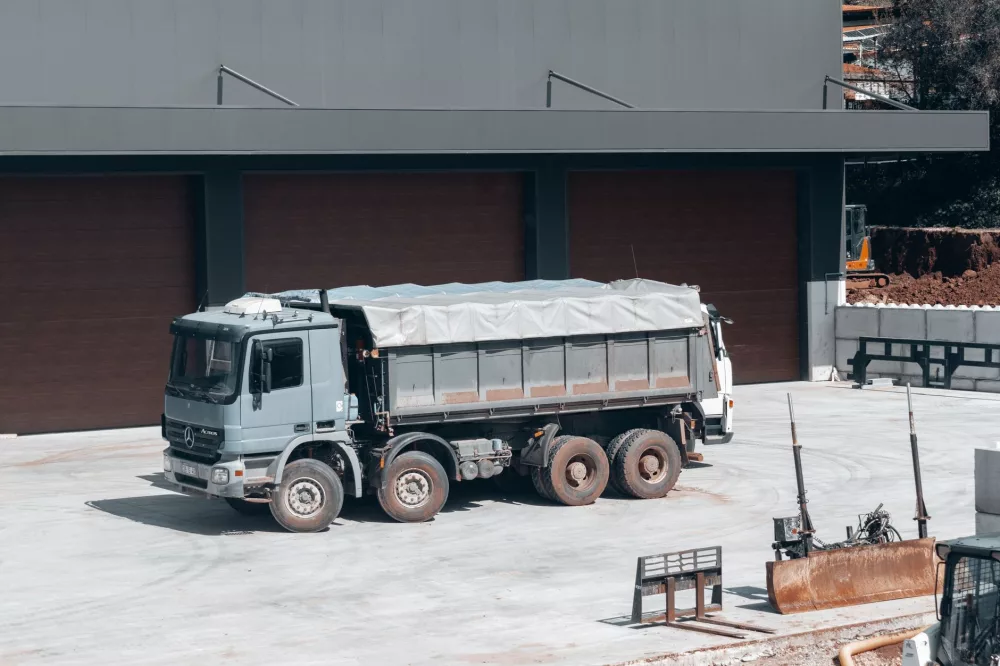
When you picture a truck, you might think of a standard eighteen-wheeler or a heavy-duty pickup. But I've always found specialized vehicles absolutely captivating, especially those designed for a very particular job. Today, I want to pull back the curtain on a workhorse that often goes unnoticed by the casual observer but is utterly indispensable in specific industries: the slate truck.
Understanding the Nature of Slate
Before we even get to the trucks themselves, we really need to appreciate the material they carry. Slate isn't just any rock; it's a fine-grained, homogeneous metamorphic rock derived from an original shale-type sedimentary rock composed of clay or volcanic ash. What makes it so special, and concurrently, so challenging to transport? Well, it's famous for its durability, natural beauty, and incredible longevity. We see it used in roofing, flooring, cladding, and even decorative landscaping. It's tough, yes, but it's also incredibly brittle along its cleavage planes. Imagine trying to move hundreds, if not thousands, of pounds of something that can chip, crack, or even shatter if not handled with extreme care. That's the core problem a slate truck solves.
Why Specialized Transport Matters
You see, moving slate isn't like moving gravel or sand. We're talking about large, heavy slabs or delicate, thin tiles, each potentially worth a considerable sum. Damage in transit isn't just an inconvenience; it's a financial hit and a logistical nightmare for project timelines. That's why the 'any truck will do' mentality just doesn't fly here. We need precision, robust engineering, and a deep understanding of the load's characteristics.
Design and Engineering: Built for Purpose
So, what exactly sets a slate truck apart? It's a combination of features that address the specific challenges of weight, fragility, and load security. I've observed several key elements that are consistently present:
- Robust Suspension Systems: This is non-negotiable. Slate is heavy, really heavy. A standard suspension just won't cut it. These trucks often feature heavy-duty air suspensions or multi-leaf spring systems designed to absorb road shocks and vibrations, keeping the precious cargo stable. A smooth ride is crucial for preventing fractures.
- Specialized Bed and Rack Systems: This is where it gets really interesting. You won't see a flatbed without modifications. Many slate trucks employ custom-built A-frame racks or vertical support systems to hold slabs upright, minimizing contact points and distributing weight evenly. For smaller tiles, reinforced, compartmentalized pallet systems are common.
- Advanced Load Securement: Chains, straps, and corner protectors aren't just an afterthought; they're vital. We're talking about industrial-strength ratchet straps, specialized chocks, and custom-fabricated frames that literally cradle the slate, preventing any shifting during acceleration, braking, or turns. I've seen some innovative systems that apply pressure uniformly across the load to prevent movement without crushing the material.
- Lower Center of Gravity: Often, these trucks are designed to carry their immense loads as low as possible. This enhances stability, especially when navigating uneven terrain or winding roads, which is pretty typical when heading to quarries or construction sites.
Operational Considerations and Challenges
Operating a slate truck demands a particular skillset. It's not just about driving; it's about understanding the dynamics of the load. I mean, think about it: you've got hundreds of square feet of dense rock that, while tough, can also be quite fragile. My experience tells me that several factors truly come into play:
- Weight Distribution: Proper loading is an art form. Incorrect weight distribution can lead to instability, tire wear, and even structural damage to the truck itself. Drivers and loading crews must meticulously balance the load.
- Fragility Management: Every bump, every sudden stop, every quick turn is a potential hazard. Drivers need to be exceptionally smooth and anticipate road conditions. This isn't a job for aggressive driving.
- Access to Sites: Quarries and construction sites aren't always on paved highways. Slate trucks often need to navigate rough, unpaved roads, sometimes with steep inclines or declines. The truck's robust build and powerful engine become paramount here.
- Safety Protocols: Given the weight and nature of the load, safety is always top of mind. Proper personal protective equipment, careful loading and unloading procedures, and adherence to weight limits are absolutely essential to prevent accidents.
The Economic and Logistical Impact
The slate truck might seem like a niche vehicle, but its impact on the construction and architectural sectors is anything but small. It's the silent enabler that keeps countless projects moving forward. Without reliable slate transport, the flow of this premium material would grind to a halt. This affects everything from high-end residential roofing to large-scale commercial cladding projects. It's a critical link in the supply chain, ensuring that architects' visions and builders' plans can actually materialize. We're talking about significant investments in materials, and safe, timely delivery is non-negotiable.
Technological Integration
Even these specialized workhorses benefit from modern technology. I've noticed a growing trend towards integrating advanced systems:
- Telematics and GPS: For tracking routes, monitoring driver behavior, and ensuring timely deliveries. This is a game-changer for logistics managers.
- Load Sensors: Some trucks are now equipped with sensors that can detect shifts in the load or provide real-time weight distribution data, helping drivers react proactively to potential issues.
- Improved Materials: Advances in steel alloys and composite materials mean stronger, lighter truck components, leading to better fuel efficiency and increased payload capacity.
Looking Ahead: Sustainability and the Future
As with all industries, there's a growing push for sustainability in slate quarrying and transportation. I anticipate we'll see more focus on optimizing routes to reduce fuel consumption, exploring alternative fuels for these heavy-duty vehicles, and improving the longevity of the trucks themselves to reduce their environmental footprint. The responsible sourcing and transport of materials are becoming increasingly important to consumers and businesses alike.
Ultimately, the slate truck is more than just a vehicle; it's a highly specialized tool, meticulously engineered and operated with precision, that bridges the gap between raw material extraction and finished architectural marvels. It ensures that the beauty and resilience of slate can be enjoyed across the globe, a testament to thoughtful design and diligent logistics.
Editorial Team
Staff analyst and editor writing in-depth guides, reporting, and comprehensive coverage.